If you have been wrongfully terminated in Missouri, it is essential to understand whether your situation qualifies for legal action. Missouri follows at-will employment, but employers still cannot fire employees for unlawful reasons. If your termination violates employment law, you may have a valid claim for compensation.
Key Signs of Wrongful Termination in Missouri
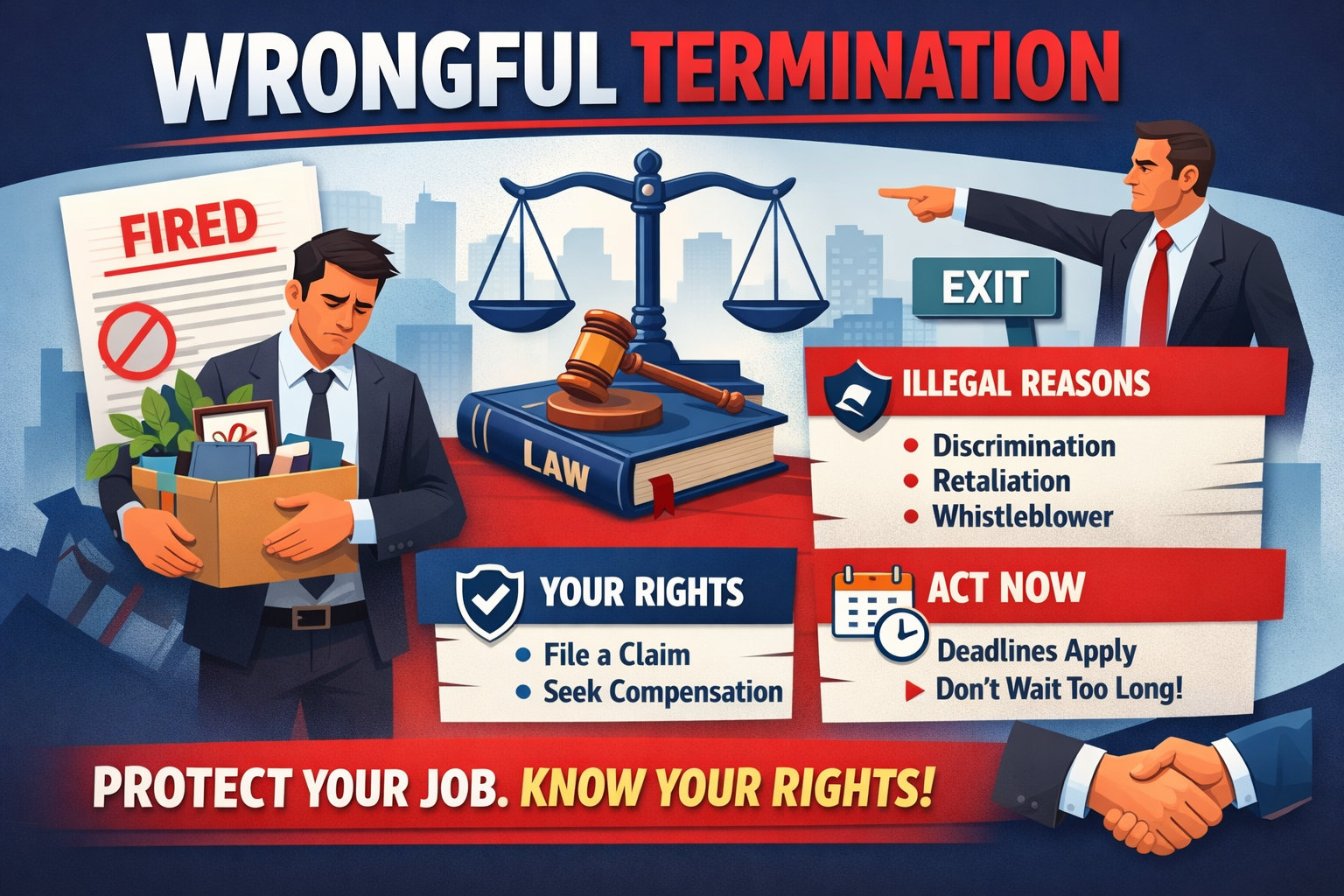
Under the Missouri Human Rights Act, employees are protected from unlawful termination based on:
– Discrimination related to race, sex, disability, age, religion, or national origin
– Retaliation for reporting discrimination or workplace violations
– Whistleblower retaliation for reporting illegal conduct
– Refusal to participate in unlawful activities requested by an employer
Missouri courts apply stricter standards than some states, making it critical to work with a knowledgeable Missouri employment attorney.
Filing a Wrongful Termination Claim in Missouri
To pursue a claim, employees often need to file with the Missouri Commission on Human Rights or the Equal Employment Opportunity Commission. These agencies investigate claims and may issue a “right to sue” letter.
Because deadlines are limited, acting quickly is essential to preserve your case.
What Can You Recover?
Victims of wrongful termination in Missouri may be eligible for:
– Back pay and lost benefits
– Compensation for emotional distress
– Reinstatement or front pay
– Legal fees and court costs
The outcome depends on the strength of your claim and the evidence presented.
Why Legal Representation Matters
Missouri’s legal framework can make wrongful termination cases more complex. Employers often defend aggressively, which makes experienced representation a competitive advantage.
Gateway Employment Law delivers:
– Strategic case evaluation and guidance
– Strong negotiation and litigation capabilities
– Focused expertise in Missouri and Illinois employment law
Protect Your Rights Today
If you suspect your employer violated your rights, do not navigate the process alone. Contact Gateway Employment Law to discuss your situation and explore your legal options.
Taking action now positions you for the best possible outcome and ensures your voice is heard.